
What’s the difference between Transgender and Transexual
Transgender / Transexual

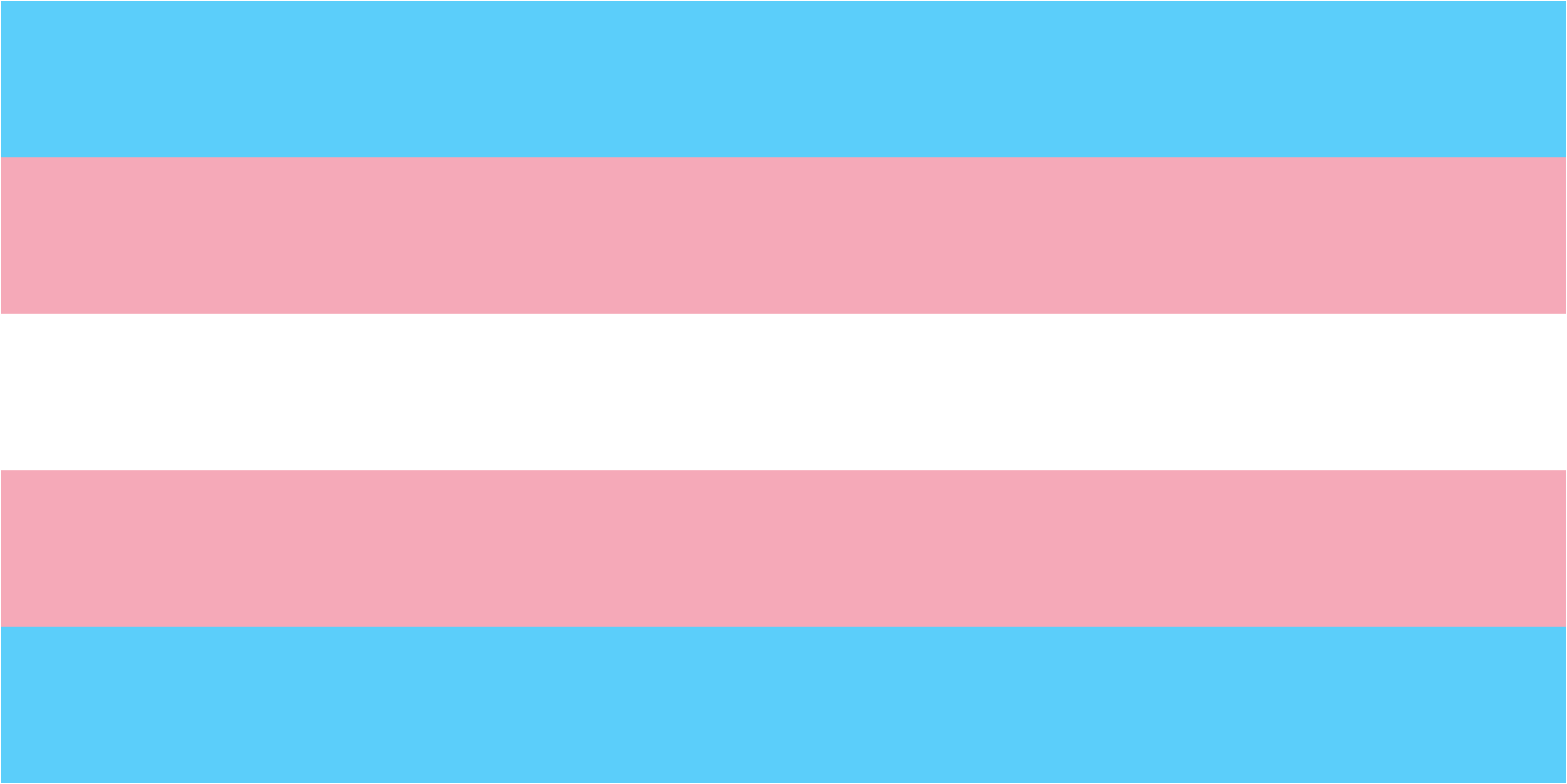
Terms and definitions change over time, and given the speed of social media, they are changing faster than ever. Below are the current definitions of and distinctions between Transgender and Transexual.
Transgender (The Current Standard) “Transgender” (often shortened to “trans”) is an umbrella term for people whose gender identity differs from the sex they were assigned at birth.
Focus: It centers on identity and how a person inherently feels and lives.
Inclusivity: It is inclusive of anyone who doesn’t align with their birth-assigned sex, including non-binary and genderfluid individuals.
Usage: It is used as an adjective (e.g., “a transgender person,” not “a transgender” or “transgendered”).
Transsexual (An Older, Clinical Term) “Transsexual” is an older term that originated in the medical and psychological fields mid-20th century.
Focus: Historically, it was used to describe individuals who transitioned permanently using medical interventions like hormone replacement therapy (HRT) or gender-affirming surgeries.
Why it shifted: Because it focuses so heavily on medical procedures and anatomy rather than identity, much of the community moved away from it. It can feel overly clinical, objectifying, or exclusionary to those who cannot or choose not to undergo surgery.
Current Status: Many people—especially younger generations—consider it outdated or offensive. However, it is important to note that some older trans individuals or those who have fully medically transitioned still choose to reclaim and use the term for themselves.
Note: Definitions provided with a helping hand from Google Gemini. Because community language grows faster than any algorithm, readers are encouraged to dive deeper and explore on their own through Trans-led online resources and literature.
Regards ~ Jim